 Visit Lisbon Guide
Lisbon Gluten-Free and Vegan: The Certified List, the Dishes and the Words
Lisbon gluten-free eating starts with a fact that Italy, Spain and France cannot offer: the Associação Portuguesa de Celíacos publishes its certified establishments openly, region by region, on celiacos.org.pt, with the certifying body named — APC with the auditor Biotrab — and a red bar on each listing. Read on 29 August 2026, the Lisbon list names ten places inside the city: four restaurants, three bakeries and pastry counters, a gelateria, a pizzeria and a take-away with two shops. This page prints those ten with their addresses, explains what the certification and the international crossed-grain symbol actually guarantee, walks through Portuguese cooking dish by dish for the wheat that hides in it — the alheira, the açorda, the pastel de bacalhau — and gives the sentences that work at the counter. The vegan half is thinner, because Portugal has no equivalent public register for plant-based kitchens, and this page names no vegan venue it cannot source; what it does is show which of the national dishes are vegan by construction and how to order them. Prices are not the subject here; plate prices are on where to eat in Lisbon, and the whole guide starts with what to do in Lisbon.
Quick answer Where the certified list is, what is safe by nature, and what to say
Lisbon is workable for a coeliac because the register is public: the Associação Portuguesa de Celíacos lists its certified restaurants, bakeries and gelaterias on its site by region, and the Lisbon page names ten venues inside the city — among them Rice Me and its deli, Café do Rio by Praça do Comércio, Despensa N6, GROM in Chiado and a pizzeria in Parque das Nações. Half of Portuguese cooking is gluten-free by construction — grilled fish and meat, rice dishes, caldo verde without the bread — and the traps are the ones that look safe: the alheira sausage is bound with bread, açorda is bread, the pastel de nata is wheat pastry, and the fried cod cakes may carry flour. Vegan is harder: no public register, and the safe plates are vegetables, rice, beans and the salads the tascas make without asking.
Key takeaways
- Read the ten certified places first: each card gives the address the APC list prints and says that hours are not stated there, because they are not.
- Learn the dish table before the menu: the sardines, the grilled squid, the arroz de tomate and the caldo verde are safe if the bread stays off the plate; the alheira, the açorda and the bifana are not.
- A guide who asks for you is worth the fee: the food and wine walking tour and the tastes and traditions food tour are small groups with a Portuguese speaker at every counter, and the pastel de nata class is the one place you can make the pastry yourself and ask about the flour.
- The phrases section has the four sentences — sou celíaco, sem glúten, isto tem farinha?, sem carne nem peixe — and the law section explains the allergen rule every Portuguese restaurant is under.
What an APC certification actually guarantees
From the Associação Portuguesa de Celíacos' own pages — the certified-establishments list for Lisbon and the "how to certify your establishment" page — read on 29 August 2026.
The APC's programme is a certification of the establishment, not of a dish: a restaurant, bakery or gelateria applies, is audited by Biotrab, a food-safety consultancy the association works with, and is listed on the public map and regional lists with a red bar at the top of its entry. The association's own words on the list page are that the "easiest and safest way" for a coeliac to eat out is to choose an establishment certified under its Gluten Free Project. Separately, the APC administers in Portugal the licensing of the international crossed-grain symbol — the ELS, European Licensing System — for packaged products, and publishes a list of licensed brands and products.
The table below compares what an APC certification actually guarantees; From the Associação Portuguesa de Celíacos' own pages — the certified-establishments list for Lisbon and the "how to certify your establishment" page — read on 29 August 2026.
| What the venue signs up to | What it means at your table |
|---|---|
| An audit by Biotrab of the kitchen's process | Someone other than the owner has looked at how the flour and the fryer are kept apart |
| A listing on the public APC map and regional list | You can check the name yourself before you go, without membership |
| The red bar on the listing | The visual cue that separates a certified kitchen from a shop that merely sells products |
| For products, the ELS crossed-grain licence | The packet has been tested to the 20 mg/kg threshold; the symbol is the same one you know from home |
The list is real, and it is public
This is the difference from Italy, where the equivalent register is members-only. On the Lisbon page the APC prints two things side by side and labels them: estabelecimentos certificados, the audited kitchens, and pontos de venda, more than forty shops — the Celeiro health-food chain, pharmacies, natural-food stores — that stock gluten-free products and offer members a discount. Only the first group is a kitchen.
Every venue named on this page is from the first group, and none of the second is called a restaurant.
What the list does not print: opening hours, prices, or the date each venue was last audited. So the cards below say "not stated on the APC list" for hours rather than copying a directory, and a venue's own site is the place to confirm it is still open before you cross the city for it.
What "sem glúten" means in law, and what every restaurant must tell you
The two European regulations that apply in Portugal and the Portuguese decree that transposes the allergen rule; these are the law, not a guide's paraphrase.
"Sem glúten" on a label or a menu is a legal claim under Commission Implementing Regulation (EU) 828/2014: the food must contain no more than 20 milligrams of gluten per kilogram. "Teor muito baixo de glúten", very low gluten, is a separate claim at 100 mg/kg and is not for coeliacs. The crossed-grain symbol adds a licence and a test on top of the legal claim; a menu that says sem glúten without it is making the same legal promise on its own authority.
The rule that matters more in a tasca is Regulation (EU) 1169/2011, the food-information regulation, which since December 2014 obliges every restaurant, café and take-away in the EU to be able to tell you whether a dish contains any of fourteen listed allergens — cereals containing gluten, milk, eggs, fish, crustaceans, molluscs, nuts, peanuts, soy, celery, mustard, sesame, sulphites and lupin. Portugal transposed the restaurant part in Decree-Law 26/2016. In practice that means the waiter is legally obliged to answer isto tem glúten? and to have somewhere to look it up; it does not mean the answer is always right, and it does not cover cross-contact in a shared fryer, which is the reason the APC audit exists.
For the vegan reader the same regulation is the lever: milk, eggs and fish are on the list, so a kitchen must be able to say whether the sauce has butter or the soup has a fish stock. There is no legal definition of "vegan" on a menu in Portugal or in EU law, so the word carries no guarantee; the allergen list does.
Portuguese dishes, dish by dish: the safe ones and the traps
The national and Lisbon dishes a visitor meets, with what is in them by the standard recipe; a kitchen can always vary, which is why the allergen question is asked every time.
The table below compares portuguese dishes, dish by dish: the safe ones and the traps; The national and Lisbon dishes a visitor meets, with what is in them by the standard recipe; a kitchen can always vary, which is why the allergen question is asked every time.
| Dish | Gluten | Animal products | Where it goes wrong |
|---|---|---|---|
| Sardinhas assadas — grilled sardines | None | Fish | The bread they are served on in June; ask for it without |
| Bacalhau à brás — shredded cod, potato, egg | None | Fish, egg | Some kitchens crisp the potato in a shared fryer |
| Bacalhau com natas — cod in cream | Usually a flour roux | Fish, dairy | The béchamel is wheat; ask |
| Pastéis de bacalhau — cod fritters | Often flour in the mix | Fish, egg | Recipe varies by house; the fryer is shared |
| Caldo verde — kale and potato soup | None in the soup | Chouriço slices on top | Ask for it without the chouriço for vegan; the bread beside it |
| Arroz de marisco, arroz de tomate | None | Shellfish in the first; the second is vegan by construction | Stock cubes in cheap kitchens can carry wheat |
| Alheira — the Trás-os-Montes sausage | Yes — bound with bread | Meat | It looks like any sausage; it is not gluten-free |
| Açorda — bread stew | It is bread | Usually shellfish or egg | The name is the warning |
| Bifana, prego — pork or steak in a roll | The roll | Meat | Ask for sem pão, on a plate |
| Feijoada — bean stew | None in most recipes | Pork, sometimes chouriço | Some kitchens add a flour thickener |
| Polvo à lagareiro — roast octopus with potatoes | None | Octopus | Safe as it comes |
| Pastel de nata | Wheat puff pastry | Egg, dairy | The Pastéis de Belém site prints no allergen list; a gluten-free version exists only at the certified bakeries below |
| Ginjinha, port, vinho verde | None | Port and some wines are fined with animal products | Ask é vegano? and expect a shrug; the wine section below |
The pattern behind the table
Portuguese cooking is grilled, boiled and stewed far more than it is breaded or floured, which is why the sardines, the octopus, the grilled squid, the piri-piri chicken and every grelhado on the menu are safe as they arrive, and why the risk concentrates in three places: the bread that comes uninvited with every meal (the couvert, which you may refuse and are not charged for if untouched), the fritter counter, and the two or three dishes whose name does not say "bread" in a language you read — alheira and açorda above all. For vegans the structure is the reverse: the grill is useless, and the plates that work are the ones the kitchen thinks of as sides — arroz de tomate, feijão, grão (chickpeas), legumes cozidos, the salada mista — ordered as a main. A guide who knows which tascas will actually cook the sides as a main is the point of most Lisbon guided tours, and a food-focused Lisbon walking tour is a natural next step once you know what to ask for.
The traps that are never printed on the menu
Seven habits of a Lisbon kitchen that put gluten or animal products into a plate that looks clean.
- The couvert: bread, butter, olives, sometimes a fish paste, put on the table before you order. Say não queremos o couvert and it goes, unbilled.
- The shared fryer: cod cakes, croquettes and chips come out of the same oil, so "the chips are just potato" is true and not enough.
- Stock cubes and caldo in rice dishes and soups; the cheaper the kitchen, the likelier.
- Flour in the cream sauces — com natas — and in some feijoadas as a thickener.
- Chouriço and presunto in vegetable dishes: caldo verde, migas, feijão are often started with pork fat.
- Fish stock under a "vegetable" rice; ask é feito com caldo de peixe?
- Butter on the grilled vegetables and in the puré; olive oil is the default in most tascas, but not all.
Say it before the order, not after
The allergen question works when it is asked as the order is placed and to the person who will carry it to the kitchen. Asked afterwards, in a full room at 21:30, it becomes a plate sent back and a waiter guessing. The certified kitchens exist so that the conversation is unnecessary; everywhere else, the four sentences below are the conversation.
The sentences that work, in Portuguese
European Portuguese as spoken in Lisbon; the feminine forms are given where the word changes.
The table below compares the sentences that work, in Portuguese; European Portuguese as spoken in Lisbon; the feminine forms are given where the word changes.
| What you need | What to say | What it does |
|---|---|---|
| I am coeliac | Sou celíaco / Sou celíaca | The word every waiter knows; it triggers the allergen sheet |
| Gluten-free | Sem glúten | The legal claim; look for it on menus and packets |
| Does this have flour / bread / gluten? | Isto tem farinha? / tem pão? / tem glúten? | The three ingredients that carry wheat here |
| Without bread, please | Sem pão, por favor | For the bifana, the prego and the couvert |
| We do not want the couvert | Não queremos o couvert | Removes the bread basket, and the charge |
| Is it fried in the same oil? | É frito no mesmo óleo? | The shared-fryer question |
| I am vegan; no meat, fish, egg or milk | Sou vegano / vegana; sem carne, sem peixe, sem ovo, sem leite | List the four; "vegan" alone is understood in the centre and not always in a tasca |
| Is it made with fish stock? | É feito com caldo de peixe? | For rice and soup |
| Does it contain pork? | Tem porco? Tem chouriço? | For the vegetable dishes |
| Olive oil, not butter | Com azeite, não com manteiga | For the grill and the vegetables |
Ten certified places in Lisbon, and who vouches for each
Every card is a venue on the Associação Portuguesa de Celíacos' Lisbon list of certified establishments — APC with the auditor Biotrab — read on 29 August 2026, in the order the list gives them. The APC list prints an address and a category and nothing else, so hours are marked not stated rather than borrowed from a directory; check the venue's own site or page before crossing the city. Addresses open in Google Maps. The list also names four certified places outside the city — in Seixal, Parede and Cascais — which are left off here.
-
La Trattoria
An Italian restaurant on Rua da Artilharia 1, north of Rato and the Amoreiras aqueduct, and the first restaurant on the APC's Lisbon list of certified establishments. Pasta and pizza in a certified kitchen is the plate a coeliac usually gives up on abroad, which is why it heads the list. The APC entry gives the address and the category; nothing else about the menu is stated there.
- Address
- Rua da Artilharia 1, 79, 1250-038 Lisboa
- Hours
- Not stated on the APC list
- Closed
- Not stated
-
Open Brasserie Mediterrânica (Inspira Liberdade Boutique Hotel)
The restaurant of the Inspira Liberdade hotel on Rua de Santa Marta, a side street off the top of Avenida da Liberdade, listed twice by the APC — once as a restaurant and once as a hotel restaurant, at the same address. A hotel dining room with a certified kitchen is the useful case for breakfast, the hardest meal of a coeliac's day, though the APC entry does not state whether the certification covers the breakfast service.
- Address
- Rua de Santa Marta, 48, 1150-297 Lisboa
- Hours
- Not stated on the APC list
- Closed
- Not stated
-
Rice Me
A rice-based restaurant on Rua Carlos Testa near Saldanha, certified by the APC; rice is the Portuguese starch that never carries wheat, and a kitchen built on it is the natural home of a certified menu. The same operation runs the deli below. For the vegan reader this is also the most promising card on the list, since a rice kitchen can build a plate without the grill — but the APC entry says nothing about vegan options, so ask.
- Address
- Rua Carlos Testa, 18A, 1050-046 Lisboa
- Hours
- Not stated on the APC list
- Closed
- Not stated
-
Café do Rio
The one certified restaurant in the tourist centre: Rua da Alfândega runs along the east side of Praça do Comércio, two minutes from the square and the Terreiro do Paço ferry pier. For a visitor spending the day between the Sé, the castle and the river it is the lunch that needs no conversation. Listed by the APC as a restaurant; the entry states nothing about the menu.
- Address
- Rua da Alfândega, 114, 1100-016 Lisboa
- Hours
- Not stated on the APC list
- Closed
- Not stated
-
Despensa N6
A certified bakery and pastry counter on Avenida Sacadura Cabral, near Arroios on the green line, listed by the APC in the bakery category. This is the answer to the pastel de nata question — the certified bakeries are the only places on this page where a gluten-free version can be bought with a process behind the claim — though the APC entry does not say which pastries the shop makes.
- Address
- Avenida Sacadura Cabral, 6A, 1000-274 Lisboa
- Hours
- Not stated on the APC list
- Closed
- Not stated
-
Rice Me Deli
The café-and-bakery half of Rice Me, on Avenida António Augusto de Aguiar between Parque Eduardo VII and the El Corte Inglés, listed by the APC as a bakery and pastry counter. Ten minutes' walk from the Gulbenkian, which makes it the certified breakfast or coffee stop on a museum morning at the top of the avenue.
- Address
- Av. António Augusto de Aguiar, 124, 1050-050 Lisboa
- Hours
- Not stated on the APC list
- Closed
- Not stated
-
GROM, Chiado
The gelateria on the APC list, on Rua Garrett in Chiado a minute from the Baixa-Chiado metro lifts. GROM is an Italian chain and its Lisbon counter is the one gelato in the city with an APC certification behind it, which settles the shared-spatula question that every other gelateria leaves open. Whether a given flavour is dairy-free is a separate question the list does not answer; the sorbets are the place to start.
- Address
- Rua Garrett 42, 1200-204 Lisboa
- Hours
- Not stated on the APC list
- Closed
- Not stated
-
Totale Pizzeria, Parque das Nações
A certified pizzeria in Parque das Nações, which places it within a walk of the Oceanário and the Pavilhão do Conhecimento — the district a family with a coeliac child is most likely to spend a wet day in. The APC entry gives the district rather than a street number, so the address here is the district and the venue's own page is the place to find the door.
- Address
- Parque das Nações, Lisboa
- Hours
- Not stated on the APC list
- Closed
- Not stated
-
Quase Quase, Avenida de Roma
A certified take-away in Alvalade, on Avenida de Roma near the green-line station of the same name — out of the tourist centre, and the kind of place a longer stay uses for a meal to carry back. Listed by the APC in the take-away category.
- Address
- Avenida de Roma, 53B, 1700-342 Lisboa
- Hours
- Not stated on the APC list
- Closed
- Not stated
-
Quase Quase, Campo de Ourique
The second Quase Quase, on Rua Correia Teles in Campo de Ourique, the residential quarter at the western end of the tram 28 route by the Prazeres cemetery terminus. Same category, same certification; the tram is the reason a visitor is ever there, and the Mercado de Campo de Ourique a few streets away is the neighbourhood's food hall, not on the APC list.
- Address
- Rua Correia Teles 22D, 1350-099 Lisboa
- Hours
- Not stated on the APC list
- Closed
- Not stated
Not a ranking and not a review: it is the APC's certified list for the city of Lisbon as read on 29 August 2026, in its own order. No venue on this site is described as certified unless it appears there, and no vegan venue is named because no equivalent public register exists.
Vegan in Lisbon: no register, so here is the method
What can be said without a source that names venues, and why the page stops there.
Portugal has no public certification of vegan or vegetarian kitchens equivalent to the APC list; the Associação Vegetariana Portuguesa exists and campaigns, but it publishes no audited venue register, and the guide-book lists that circulate are opinion. So this page names no vegan restaurant. What it can do is point at the structure: Lisbon has, since 2017, a law — Law 11/2017 — obliging public canteens (schools, hospitals, universities, prisons) to offer a vegan option, which is a fact about the country's kitchens rather than its restaurants, and a sign of how normal the request has become in the city.
In the centre, "vegano" is understood in any place with an English menu; in a tasca, list the four exclusions.
The plates that are vegan by construction
Arroz de tomate, arroz de feijão, feijão or grão stews ordered without the chouriço, legumes grelhados with olive oil, batatas a murro (punched potatoes) if cooked in oil not lard, the salada mista, tremoços (lupin beans, the bar snack), and the sopa de legumes when it is made without stock — ask. Caldo verde without its sausage is vegan in most kitchens. Bread, olives and the fruit are always there.
The Time Out Market's 26 kitchens include several whose menus mark vegan plates, but the market publishes no such list and the hall shares its space, so it is a place to look rather than a place this page vouches for.
Vegan wine, ginjinha, and the lunch you build yourself
The fining question, and the market answer.
Wine is not automatically vegan, and the label will not tell you
Port and many still wines are fined — clarified — with egg white, casein, gelatine or isinglass, none of which the EU label has to declare when no residue remains. There is no rule that a Portuguese wine says whether it is vegan, and the fado houses and wine bars will not know. The workaround is the producer's own site, or a natural-wine bar where the question is normal; the food and wine walking tour tastes at counters where the guide can ask.
Ginjinha, the sour-cherry liqueur poured on Largo de São Domingos, is fruit, sugar and alcohol and carries no fining question.
The market solves the afternoon
Between 15:00 and 19:30 the tascas are shut, and that is when a dietary request is hardest to place. The Mercado da Ribeira at Cais do Sodré — the Time Out Market hall and the traditional market beside it — runs through, and the traditional side sells the fruit, bread, olives, cheese and cured fish that make a lunch with no kitchen involved. For the coeliac reader the certified bakeries above are the bread; for the vegan, everything but the cheese and the fish.
Eating with somebody who can ask for you
Four cards where a Portuguese-speaking guide stands at the counter with you, and one class where you handle the pastry yourself. Prices are the platform's euro listings, read on 29 August 2026; none of the listings states a gluten-free or vegan option, so tell the operator at booking.
 from €70
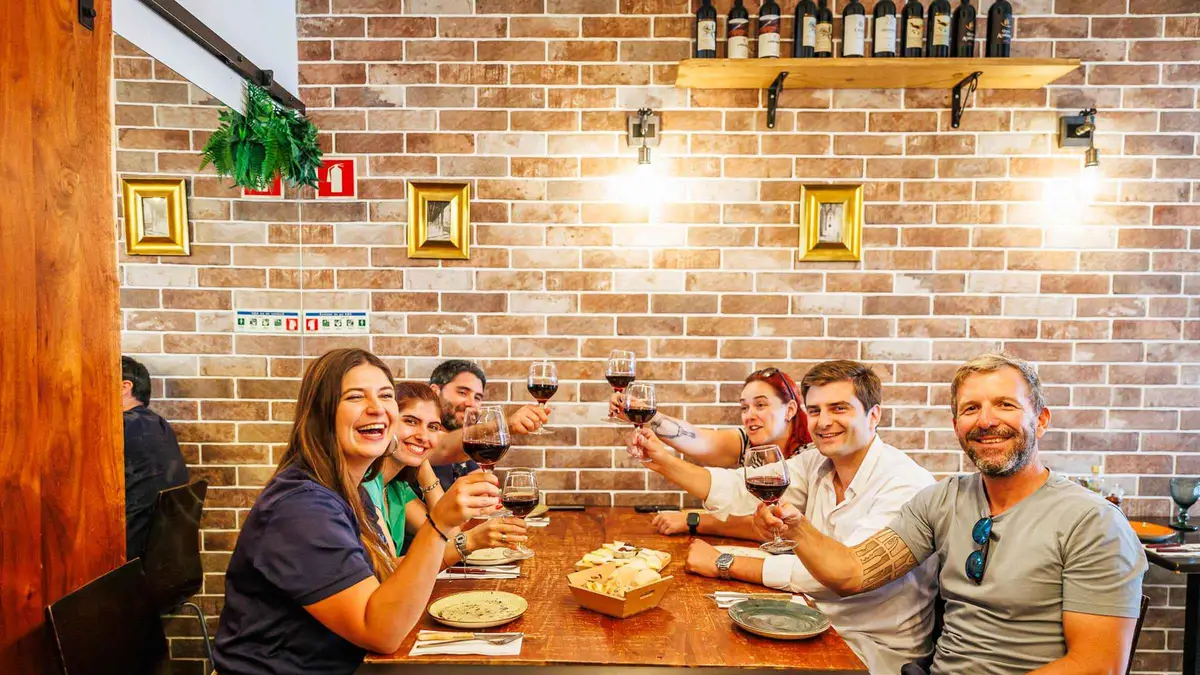
Lisbon: Food and Wine Small Group Walking Tour
listed at $81.09
Three-hour small-group food walk with 15 food and wine tastings and a culinary guide. Arrive hungry — 15 stops is a full meal.
Check Availability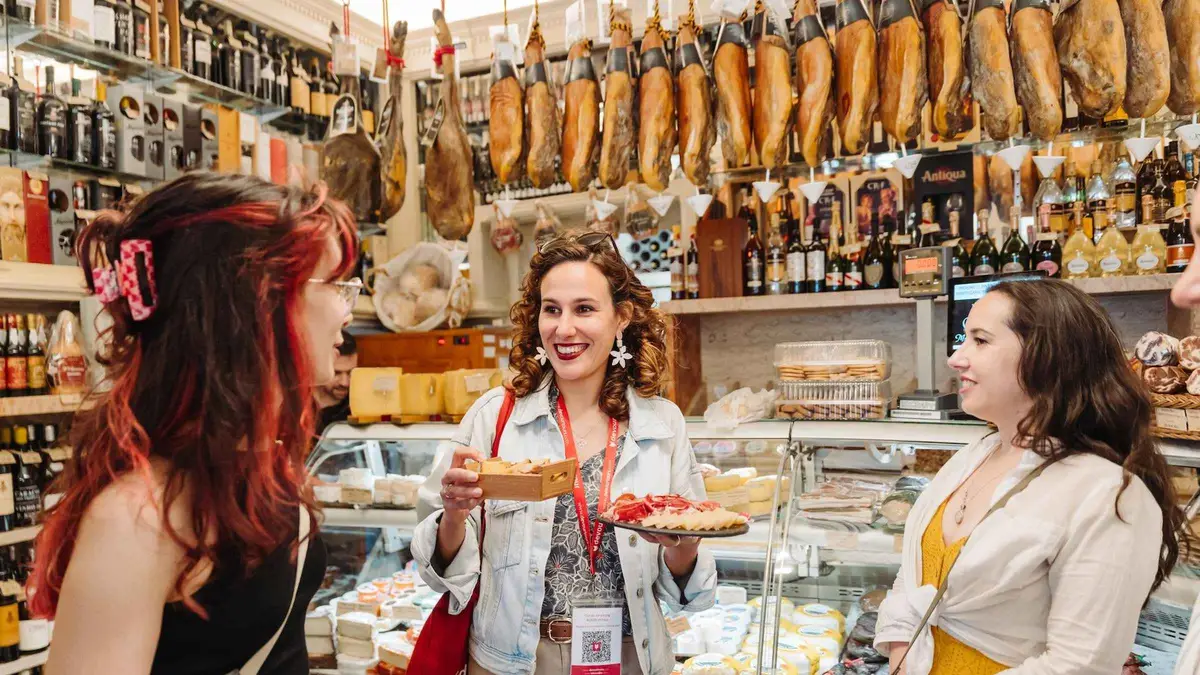 from €67
Lisbon: Tastes and Traditions Guided Food Tour
listed at $77.62
Three-hour morning food tour built around the dishes and drinks you should try before leaving Portugal. The morning slot leaves your evening free.
Check Availability from €55
Lisbon: Pastel de Nata Baking Class
listed at $63.71
Two-hour hands-on class where you make pastéis de nata from scratch with a chef, then eat them warm with local drinks. Baking, not a tour.
Check Availability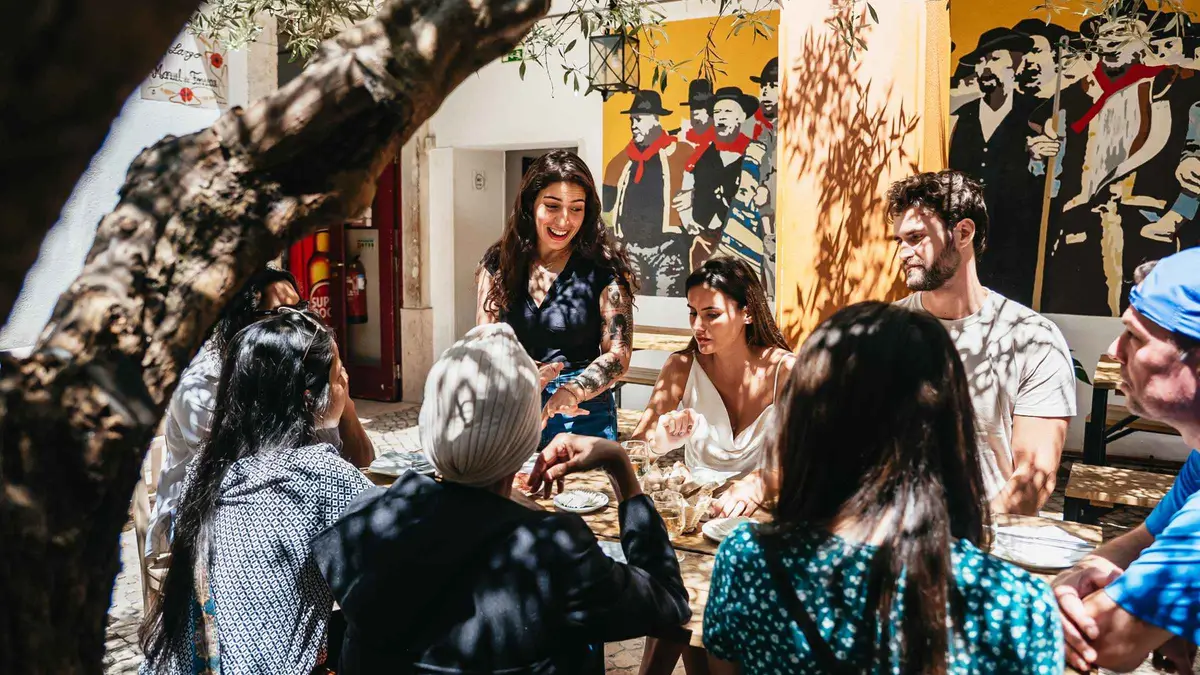 from €79
Lisbon: Baixa District Food Tour with Dinner and Drinks
listed at $82.37
Evening food tour of Baixa with eight tastings and four drinks across taverns and family-run eateries — it replaces dinner. Evening slot, so it pairs badly with a Fado show the same night.
Check AvailabilityPrices, ratings and details are the platform's own. Dollar figures are the listed prices. The platform bills in your account's currency.
Where to go next
What a plate costs
Tasca prices, the couvert rule, the Belém pastel and the market by the hour: where to eat in Lisbon.
Prices, not dietsThe certified pizzeria's district
The Oceanário, the Pavilhão and the cable car, all level and all under a roof: Parque das Nações.
Red line to OrienteThe counter in Chiado
GROM's street, the Brasileira, and the metro lifts up the ridge: Chiado. Or start again with the best things to do in Lisbon.
Rua GarrettDietary questions about Lisbon
Is Lisbon good for gluten-free eating?
Better than most European capitals on two counts: the coeliac association's certified list is public, and Portuguese cooking is mostly grilled, boiled and stewed rather than floured. The ten certified places and the dish table are the two things to read; the food and wine walk puts a Portuguese speaker beside you at every counter.
Are there gluten-free restaurants in Lisbon that are certified?
Yes — the Associação Portuguesa de Celíacos lists ten certified establishments inside the city on 29 August 2026: La Trattoria, the Open Brasserie at the Inspira Liberdade, Rice Me and Rice Me Deli, Café do Rio, Despensa N6, GROM in Chiado, Totale Pizzeria and two Quase Quase take-aways. The cards give the addresses; the certification section explains what the audit covers.
What is the gluten-free symbol in Portugal?
The same crossed-grain symbol as the rest of Europe, licensed in Portugal by the APC under the European Licensing System, and the words sem glúten, which is a legal claim at 20 mg/kg under EU Regulation 828/2014 — the law section has both.
Can I get a gluten-free pastel de nata in Lisbon?
Not at Pastéis de Belém, whose site prints no allergen information and whose pastry is wheat puff. The certified bakeries on the APC list — Despensa N6 and Rice Me Deli — are the places where a gluten-free version comes with an audited process behind it, though the list does not say which pastries each makes; the pastel de nata class lets you ask about the flour yourself.
How do I say I am gluten-free in Portuguese?
Sou celíaco (or celíaca) and sem glúten; then isto tem farinha? for the dish and sem pão for the roll. The phrases table has ten sentences with what each one does.
Is Lisbon good for vegans?
Workable, with no public register to lean on: the safe plates are the rice, bean and vegetable dishes the tascas think of as sides, and the vegan section sets out the method. This page names no vegan venue it cannot source, and the Time Out Market is a place to look rather than one we vouch for.
Which Portuguese dishes are naturally gluten-free?
Grilled sardines, octopus, squid and every grelhado, bacalhau à brás, arroz de marisco and arroz de tomate, caldo verde without the bread, feijoada in most kitchens; the traps are alheira, açorda, bifana, the cream sauces and the fritters. The dish table goes through thirteen with the animal products alongside.
Do Lisbon restaurants have to tell me about allergens?
Yes. Regulation (EU) 1169/2011, transposed for restaurants by Decree-Law 26/2016, obliges every food business to be able to state which of fourteen allergens a dish contains, gluten cereals, milk, eggs and fish among them. It does not cover a shared fryer, which is what the APC audit adds — the law.
Vegan and Gluten-Free Lisbon on Video
Three films from people eating vegan or gluten-free in the city, useful for seeing the dishes and the places behind the list on this page. Menus and prices on camera are from their filming dates.
Best Lisbon Food Guide: Travel with EASE (Vegan & GF)
A vegan and gluten-free food guide to Lisbon, the closest match to the restaurant list above.
Video: Minna Friis - Medical Medium FoodieVegan Food in Lisbon, Portugal
Vegan food across the city, several of the same restaurants as this page.
Video: Deanna Troy TravelsWhat we ate in Lisbon, Portugal: vegan food and beautiful places | Vegan Hotspots episode 2
What a vegan couple ate in Lisbon, the cafés and the pastel de nata alternatives the page mentions.
Video: ValalalalaVideos load from YouTube only when you press play.
Prices, hours and terms are set by the venue or operator and confirmed at checkout.
We may earn a commission if you book through one of our links, at no extra cost to you. Full affiliate disclosure